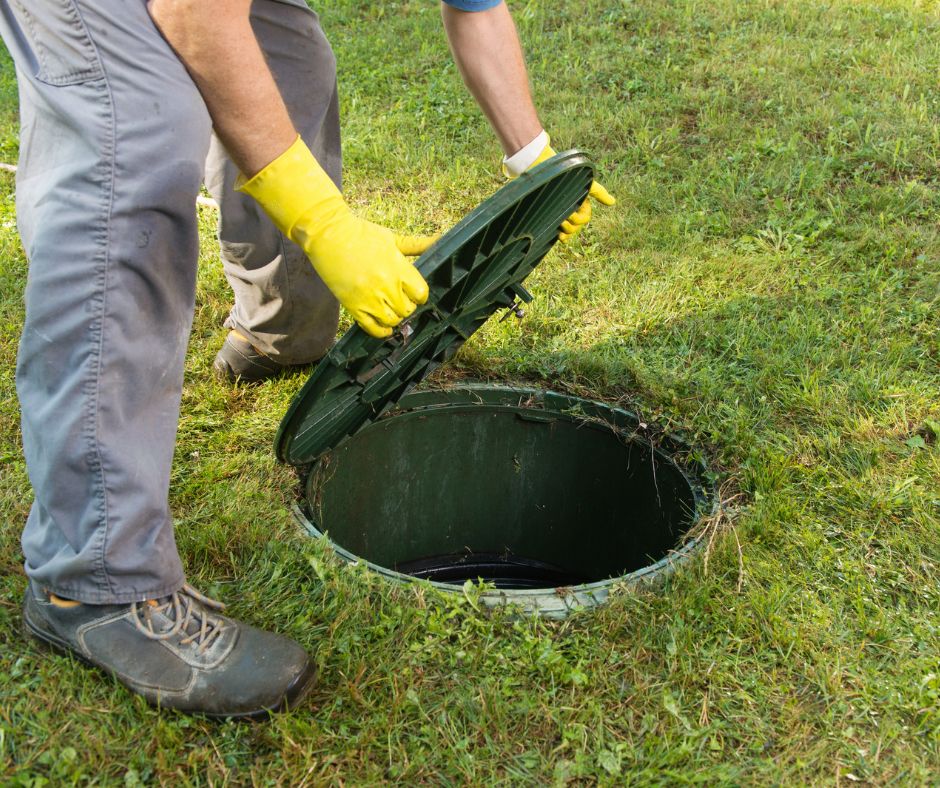
Conquering Foul Septic Tank Odors in Large Houses
The aroma of a malfunctioning septic tank is not something anyone wants wafting through their home, especially in a large house. Thankfully, there are proactive steps you can take to eliminate those unpleasant smells and restore the fresh air to your dwelling. This article will guide you through the process, covering the essential steps and techniques for controlling septic tank odors in expansive homes.
Understanding the Source of the Odor
Before diving into solutions, it's crucial to understand the root cause of the odor. Septic tanks rely on a delicate ecosystem of bacteria to break down waste. When this ecosystem is disrupted, either by overfilling, improper maintenance, or even an imbalance in bacteria levels, the waste can begin to decompose anaerobically (without oxygen), releasing foul-smelling gases.
Effective Strategies for Odor Control
Now that you understand the cause, let's delve into proven methods for managing septic tank odors.
Regular Maintenance is Key
The foundation of odor control lies in regular septic tank maintenance. This involves:
- Pumping: Schedule regular pumping of your septic tank. Experts recommend a pumping every 3-5 years, but this can vary depending on the size of your house and tank. A full tank can lead to backups and odors.
- Inspection: Have a qualified professional inspect your tank and leach field regularly. Early detection of any issues can prevent major problems down the line.
- Adding Bacteria: Consider adding beneficial bacteria to your tank. These bacteria help break down waste more efficiently, minimizing odor production.
Proper Waste Management
What you flush down your drains also plays a crucial role in odor control.
- Avoid Flushing Non-Biodegradable Items: Limit flushing items like wipes, paper towels, and feminine hygiene products. These can clog your system and disrupt the bacterial balance.
- Be Mindful of Grease and Oil: Fats, oils, and grease should be disposed of properly. Avoid pouring them down the drain, as they can solidify in your system and cause blockages.
- Limit Laundry Detergent: Overusing laundry detergent can overload your system. Choose eco-friendly, low-phosphate options for your laundry needs.
Strategic Ventilation and Air Freshening
Even with proper maintenance, some odor may still linger. Here's where ventilation and air freshening come into play.
- Install Vent Pipes: Ensure your septic tank has properly functioning vent pipes. These pipes release gases from the tank, preventing them from building up inside.
- Consider Air Purifiers: Air purifiers can help filter out odors and improve air quality, especially in areas close to the septic tank.
- Use Natural Air Fresheners: Utilize natural air fresheners like baking soda, charcoal, or essential oils to absorb and neutralize unpleasant smells.
Addressing Specific Odor Issues
Sometimes, the odor might indicate a specific problem that needs immediate attention.
Strong Sewer Smell
A strong sewer-like smell usually indicates a blockage or leakage in your drain lines. Contact a plumber to investigate and resolve the issue promptly.
Rotten Egg Odor
A rotten egg smell often points to a buildup of hydrogen sulfide gas, a byproduct of anaerobic decomposition. This may require professional tank cleaning and bacterial treatment.
When to Call a Professional
While many odor issues can be addressed through proactive maintenance and good practices, there are times when professional assistance is necessary.
- Persistent Odor: If odors persist despite your efforts, it's best to consult a septic tank expert to diagnose and address the root cause.
- Backup or Overflow: If you experience a backup or overflow, call a professional immediately to prevent damage and ensure safety.
- Unusual Noises or Sights: Any unusual noises, visible leaks, or changes in your septic system should be reported to a professional for assessment.
Conclusion
Controlling septic tank odors in large houses requires a multi-faceted approach. By following these strategies, you can significantly reduce the chances of encountering those unpleasant smells and maintain a fresh and comfortable living environment. Remember, regular maintenance, responsible waste management, and prompt action when necessary are key to keeping your septic system functioning efficiently and odor-free.
0 comments:
Post a Comment