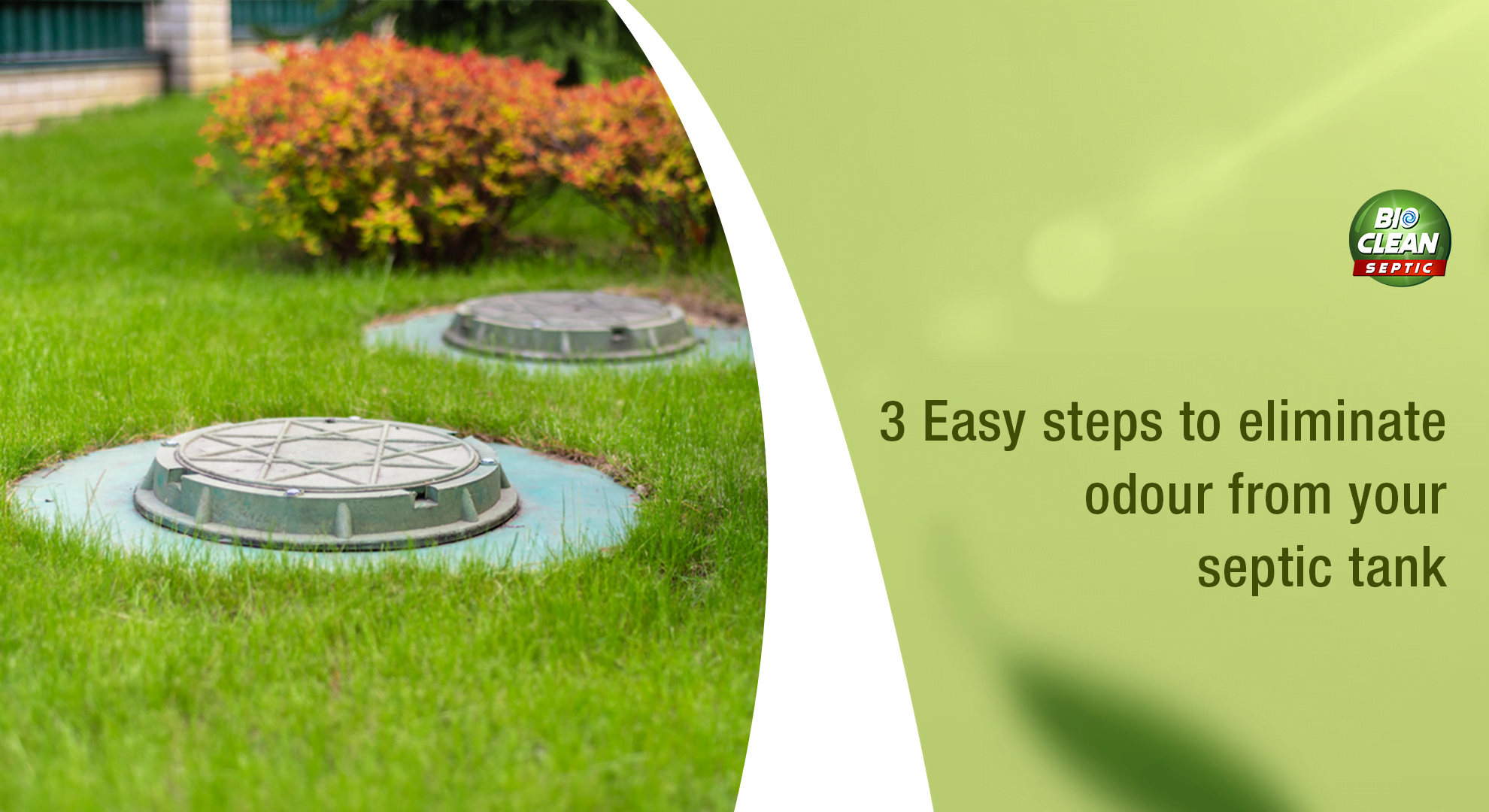
Eliminating Septic Tank Smell from Your Backyard Patio: A Comprehensive Guide
The delightful ambiance of a backyard patio can be quickly diminished by the presence of an unpleasant septic tank odor. This unwelcome aroma can stem from various factors, and addressing it requires a methodical approach. This comprehensive guide provides a detailed understanding of septic tank odor sources, effective mitigation strategies, and preventative measures to ensure a fresh and inviting outdoor space.
Understanding the Source of the Septic Tank Odor
Pinpointing the source of the odor is crucial to selecting the most effective solution. Septic tank odors typically arise from:
1. Leaking Septic Tank or Drainfield:
A damaged or cracked septic tank or drainfield can allow wastewater to seep into the surrounding soil, creating a breeding ground for bacteria that produce foul odors. The odor might be particularly noticeable after heavy rainfall or when the septic system is overloaded.
2. Improper Ventilation:
Septic tanks require adequate ventilation to allow gases to escape safely. Insufficient or blocked vents can cause a buildup of gases, leading to a strong odor emanating from the vent pipe. This can be particularly noticeable near the patio area if the vent pipe is located close to the patio.
3. Overflowing Septic Tank:
A full septic tank can lead to wastewater backing up into the drainfield, causing an unpleasant smell. This usually occurs when the tank is not regularly pumped out or if the tank is too small for the household's usage.
4. Biomat Formation:
A biomat is a layer of organic material that builds up over time in the drainfield. This can restrict the flow of wastewater, leading to backups and odors. The biomat can also produce a strong, unpleasant odor.
5. Tree Roots:
Tree roots can infiltrate septic tanks and drainfields, creating pathways for wastewater to escape and generate odors. This is particularly common with older septic systems or those near mature trees with extensive root systems.
Effective Strategies for Eliminating Septic Tank Smell
Once the source of the odor is identified, you can implement appropriate solutions. Here are some effective strategies:
1. Professional Inspection and Maintenance:
The first step should involve calling a qualified septic system professional for a thorough inspection. They can identify any leaks, blockages, or issues with the tank or drainfield and recommend necessary repairs or maintenance. Regular pumping of the septic tank is crucial to prevent overflows and odor problems.
2. Vent Pipe Inspection and Cleaning:
If the vent pipe is the source of the odor, it needs to be inspected and cleaned. Ensure that the vent pipe is not blocked or obstructed. You might need to call a professional to clean or replace the vent pipe if it is damaged or heavily clogged.
3. Drainfield Inspection and Repair:
Inspect the drainfield for any signs of damage or blockages. If necessary, a professional can repair the drainfield or recommend a new drainfield installation. To prevent future issues, avoid planting trees or large shrubs near the drainfield.
4. Biomat Removal and Prevention:
If a biomat has formed in the drainfield, it needs to be removed by a professional. To prevent biomat formation, consider using septic tank additives that promote healthy bacterial activity and break down organic matter.
5. Tree Root Removal:
If tree roots are causing problems, a professional should remove them. You can also try to deter root growth by applying root barrier chemicals around the septic tank and drainfield.
Preventative Measures to Keep the Septic Tank Smell Away
Proactive measures can help prevent septic tank odors from becoming a nuisance. Here are some preventative steps:
- Regularly pump your septic tank. The frequency depends on the size of the tank and household usage, but most septic tanks should be pumped every 3-5 years.
- Avoid flushing non-biodegradable items down the toilet, such as wipes, paper towels, and feminine hygiene products. These items can clog the septic system and contribute to odor problems.
- Limit the use of harsh chemicals and cleaners that can harm the beneficial bacteria in the septic tank. Consider using eco-friendly alternatives.
- Monitor the flow of wastewater into the septic tank. If you notice any changes or slow drainage, contact a professional for inspection.
- Maintain a healthy lawn around the septic tank and drainfield. This helps prevent soil erosion and ensures proper drainage.
- Regularly check the vent pipe for blockages or damage. You can also consider installing a vent filter to prevent debris from entering the pipe.
Home Remedies for Temporary Odor Control
While professional solutions are essential for long-term odor management, some temporary home remedies can help alleviate the smell:
- Baking soda and vinegar: Pour a cup of baking soda down the drain followed by a cup of vinegar. This mixture can neutralize odors and break down organic material.
- Activated charcoal: Place bowls of activated charcoal around the patio area to absorb odors. Replace the charcoal regularly for maximum effectiveness.
- Coffee grounds: Spread coffee grounds around the patio area to absorb odors. Coffee grounds also act as a natural fertilizer.
- Essential oils: Diffuse essential oils with strong scents like lemon, tea tree, or peppermint to mask the odor. However, this is only a temporary solution.
Conclusion
Eliminating septic tank smell from your backyard patio requires identifying the source, implementing appropriate solutions, and adopting preventative measures. While home remedies can provide temporary relief, professional inspections and maintenance are essential for long-term odor control. By understanding the causes and taking proactive steps, you can enjoy a fresh and inviting outdoor space, free from the unpleasant aroma of a septic tank.
0 comments:
Post a Comment