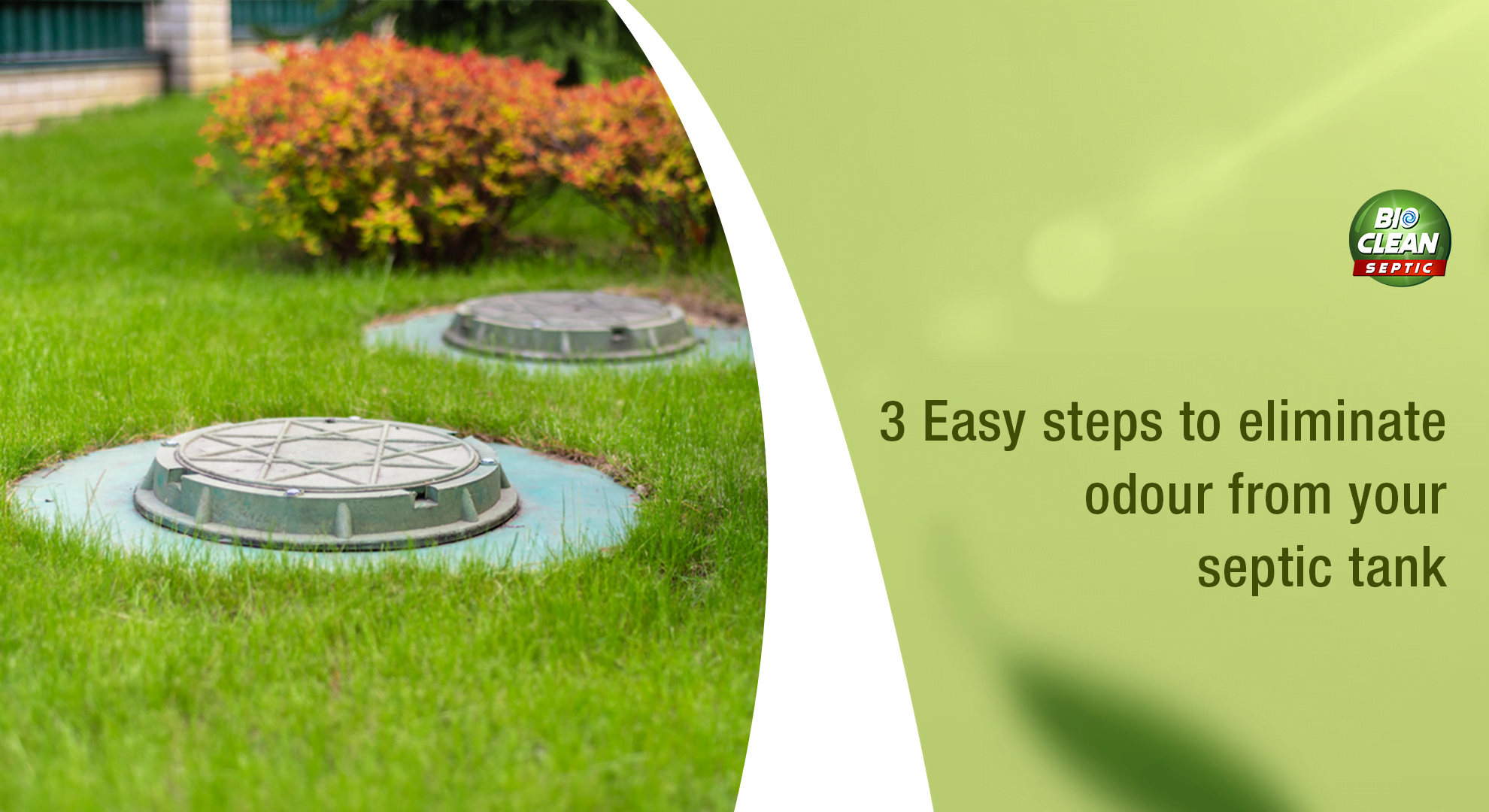
The unmistakable stench of a malfunctioning septic system can be a homeowner's nightmare. While the issue might stem from a variety of factors, including improper maintenance or a failing system, the resulting odor is a significant inconvenience. Fortunately, a plethora of natural solutions can effectively combat septic tank odor, promoting a cleaner and more pleasant living environment. This article delves into the intricacies of septic tank odor elimination, providing a comprehensive guide to natural solutions and preventive measures.
Understanding the Source of Septic Tank Odor
The foul odor associated with septic systems arises from the breakdown of organic waste within the tank. Anaerobic bacteria, thriving in the oxygen-deprived environment of the tank, decompose the waste, releasing various gases, including hydrogen sulfide (the culprit behind the rotten egg smell), ammonia, and methane. These gases can escape through vents, plumbing fixtures, or cracks in the system, permeating the surrounding air.
Natural Solutions for Septic Tank Odor Elimination
Instead of relying on harsh chemicals that can harm beneficial bacteria in the system, homeowners can leverage the power of nature to combat septic odor. Here's a breakdown of effective natural solutions:
1. Baking Soda and Vinegar: This classic combination, a staple in many household cleaning solutions, can effectively neutralize odors in the septic tank.
Application: Pour one cup of baking soda down the toilet bowl followed by one cup of white vinegar. Allow the mixture to sit for 30 minutes before flushing. The reaction between the baking soda and vinegar will release carbon dioxide, a harmless gas that helps absorb the foul odors.
2. Borax: Borax, a naturally occurring mineral, is an effective deodorizer and disinfectant.
Application: Sprinkle one cup of borax down the toilet bowl and allow it to sit for several hours before flushing. Borax neutralizes odors by absorbing moisture and killing odor-causing bacteria.
3. Citrus Peels: The natural citrus oils found in lemon, orange, and grapefruit peels act as powerful deodorizers.
Application: Add citrus peels directly to the toilet bowl or, even better, toss them directly into the septic tank via the toilet. The citrus oils will slowly release into the tank, masking odors and creating a fresher environment.
4. Activated Charcoal: Known for its exceptional odor-absorbing properties, activated charcoal can effectively trap and neutralize foul odors.
Application: Pour a cup of activated charcoal down the toilet bowl and flush. The charcoal will absorb the gases released by the septic tank, reducing the odor intensity.
5. Enzyme-Based Products: Enzyme-based septic tank treatments contain naturally occurring enzymes that break down waste more effectively.
Application: Follow the instructions on the product label, typically involving adding the treatment to the toilet bowl or directly to the septic tank. The enzymes enhance the natural decomposition process, reducing the volume of waste and minimizing odor production.
6. Essential Oils: Certain essential oils, like tea tree, peppermint, and eucalyptus, possess strong antibacterial and deodorizing properties.
Application: Mix a few drops of essential oil with water and pour the mixture down the toilet bowl. The pleasant aroma of the essential oil will help mask the unpleasant septic odor.
7. Proper Aeration: Improving air circulation within the septic system can significantly reduce odor.
Application: Ensure proper ventilation of the septic tank by ensuring the vent pipe is unobstructed and functioning correctly. Regular inspection and cleaning of the vent pipe are crucial.
Preventive Measures: Maintaining a Healthy Septic System
While the above natural solutions provide temporary relief, a healthy septic system is the best defense against odor. Here are essential preventive measures:
1. Regular Inspections and Maintenance: Scheduled inspections by a qualified professional are vital to identify and address potential problems before they escalate.
2. Proper Wastewater Management: Avoid flushing non-biodegradable items, like paper towels, wipes, and medications, down the toilet. These items can clog the system and impede the natural decomposition process.
3. Conserving Water: Reducing water usage minimizes the load on the septic system, prolonging its lifespan and reducing the risk of odor.
4. Avoidance of Harsh Chemicals: Using chemical drain cleaners and other harsh substances can harm the beneficial bacteria in the septic system, disrupting its delicate balance and increasing odor production.
5. Proper Soil Management: Avoid over-watering lawns near the septic system, as excessive moisture can saturate the soil, hindering drainage and potentially leading to odor.
6. Sewer Line Inspection: Regular inspections of the sewer line can identify blockages or damage that might be contributing to odor.
Conclusion: Embracing a Natural Approach
Septic tank odor is a common problem, but natural solutions offer a safe, effective, and environmentally friendly approach to eliminating it. By incorporating these solutions into your routine, you can create a more pleasant living environment while promoting a healthy and efficient septic system. Remember, a proactive approach, including regular inspections, proper waste management, and embracing natural solutions, is key to preventing and resolving septic tank odor, ensuring a odor-free home for years to come.
0 comments:
Post a Comment