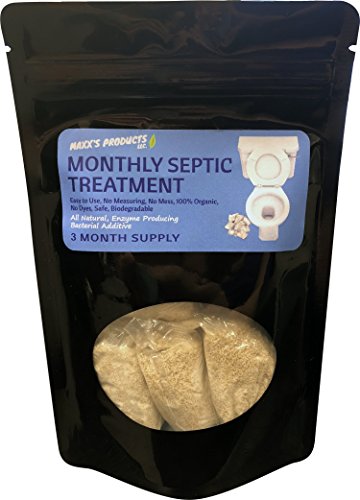
Septic Tank Odor Eliminator Reviews: Which Ones Are Worth It?
Let's face it, dealing with a septic tank can feel like a constant battle against unpleasant smells. It's enough to make you want to hold your breath every time you flush the toilet! But fear not, brave homeowner, because the world of septic tank odor eliminators is here to save the day (and your nose).
This article is your comprehensive guide to navigating the murky waters of septic tank odor eliminators. We'll dissect the top-rated products, weigh their pros and cons, and help you choose the right one for your unique situation. By the end, you'll be armed with the knowledge to finally conquer those pesky smells and enjoy a fresh, odor-free home.
Understanding Septic Tank Odors
Before we dive into the world of odor eliminators, let's understand the source of the problem. Septic tank odors usually arise from a combination of factors:
- Decomposition of Waste: The bacteria in your septic tank diligently break down waste, but this process can release unpleasant odors.
- Hydrogen Sulfide: This foul-smelling gas, commonly known as "rotten egg gas," is a byproduct of septic tank activity.
- Poor Ventilation: If your septic system doesn't have adequate ventilation, gases can build up and escape into your home.
- Leaks or Cracks: Leaks in your septic tank or lines can allow smelly gases to escape into the surrounding soil and potentially your home.
Types of Septic Tank Odor Eliminators
The market is brimming with septic tank odor eliminators, each claiming to banish those unwanted smells. Here are the most popular types:
1. Enzyme-Based Products
Enzyme-based odor eliminators are like a friendly army of microorganisms that break down waste and reduce odor-producing bacteria. They work by consuming organic matter and converting it into less smelly byproducts.
- Pros: Eco-friendly, effective in breaking down waste, generally safe for septic systems.
- Cons: May not be effective on their own for severe odor issues, require regular use to maintain results.
2. Chemical Odor Eliminators
Chemical odor eliminators typically contain a blend of chemicals, like fragrances or odor neutralizers, to mask or neutralize odors. They work by either masking the smell or chemically reacting with odor molecules to break them down.
- Pros: Can provide immediate odor relief, readily available.
- Cons: May not address the underlying cause of the odor, some chemicals can be harsh on septic systems, fragrances may trigger allergies or sensitivities.
3. Biological Odor Eliminators
These products contain a combination of bacteria and enzymes that work together to break down waste and eliminate odors. They essentially boost the natural processes happening in your septic tank.
- Pros: Effective in breaking down waste, generally safe for septic systems.
- Cons: May require longer to show results compared to chemical products, some may be more expensive.
Top-Rated Septic Tank Odor Eliminators
Ready to tackle those odors head-on? Here are some of the best septic tank odor eliminators based on user reviews and expert recommendations:
1. Rid-X Septic Treatment
Rid-X is a popular and well-regarded biological treatment. It contains a blend of bacteria and enzymes that work to break down waste and reduce odor-producing bacteria. Users praise its effectiveness in reducing odor and improving overall septic system health.
- Pros: Effective in reducing odors, safe for septic systems, eco-friendly.
- Cons: May require regular use to maintain results, can be slightly more expensive than some alternatives.
2. Bio-Clean Septic System Treatment
Bio-Clean is another highly-rated biological treatment that targets odor-producing bacteria. It's known for its effectiveness in breaking down waste and preventing clogs. Users appreciate its easy-to-use formula and noticeable results.
- Pros: Effective in reducing odors, safe for septic systems, helps prevent clogs.
- Cons: May be slightly more expensive than some alternatives, results may take a few weeks to become noticeable.
3. Septic-Ease Odor Eliminator
Septic-Ease is a chemical odor eliminator that works by neutralizing and masking odors. It contains a blend of fragrances to effectively combat unpleasant smells. Users find it effective for immediate odor relief, but remember it's important to consider the potential drawbacks of chemical-based products.
- Pros: Provides immediate odor relief, readily available.
- Cons: May not address the underlying cause of the odor, some chemicals can be harsh on septic systems, fragrances may trigger allergies or sensitivities.
Tips for Choosing the Right Septic Tank Odor Eliminator
Choosing the right septic tank odor eliminator is crucial for achieving the best results. Here are some tips to guide your decision:
- Consider your budget: Odor eliminators range in price, so consider your budget before purchasing.
- Evaluate the severity of the odor: If you have a mild odor, a biological treatment might be sufficient. For severe odors, you might need a combination of treatments or a chemical-based product for immediate relief.
- Check for compatibility with your septic system: Not all odor eliminators are suitable for every septic system. Always check the product label to ensure compatibility.
- Read reviews and compare products: Reading reviews and comparing different products can help you get a better understanding of their effectiveness and potential drawbacks.
- Seek professional advice if needed: If you're unsure about which odor eliminator is right for you, consult a professional plumber or septic system specialist for guidance.
Beyond Odor Eliminators: Preventing Odors in the First Place
While odor eliminators can help combat unpleasant smells, the best approach is to prevent them in the first place. Here are some preventative measures you can take:
- Regularly inspect and maintain your septic system: A well-maintained septic system is less likely to produce odors. Schedule regular inspections and pumpings according to your system's needs.
- Avoid flushing harmful substances: Flushing items like wipes, medications, grease, and hair can disrupt your septic system's balance and contribute to odor production. Stick to flushing only toilet paper and human waste.
- Use water-efficient appliances: Using water-efficient appliances can reduce the amount of water flowing into your septic system, preventing overflows and odors.
- Improve ventilation: Ensure your septic system has adequate ventilation to allow gases to escape. If your system lacks proper ventilation, consider installing a vent pipe.
Commonly Asked Questions
1. How Often Should I Use Septic Tank Odor Eliminator?
The frequency of application depends on the type of odor eliminator and the severity of the odor. Biological treatments typically need to be used every month or as needed. Chemical products may provide immediate relief, but they may need to be used more frequently, depending on the specific product.
2. Can Septic Tank Odor Eliminators Damage My Septic System?
Not all odor eliminators are created equal. Enzyme-based and biological treatments are generally safe for septic systems. However, some chemical-based odor eliminators can be harsh on septic systems. Always check the product label for compatibility and follow the instructions carefully.
3. Can Septic Tank Odor Eliminators Eliminate All Odors?
While odor eliminators can be very effective, they may not eliminate all odors, especially if the issue stems from a more serious problem within your septic system. If your odor persists despite using an odor eliminator, it's a good idea to contact a professional plumber or septic system specialist to investigate the cause.
Conquering septic tank odors can be a challenging task, but it's not impossible. With the right odor eliminator and preventative measures, you can say goodbye to those smelly woes and enjoy a fresh-smelling home.
0 comments:
Post a Comment